Vehicle uptime
A correct installation is one the vehicle never returns for. Proper preparation, bonding and testing keep the vehicle earning instead of queuing for rework.
Van & Commercial Vehicle Glass
Commercial vehicles work harder than most passenger vehicles.
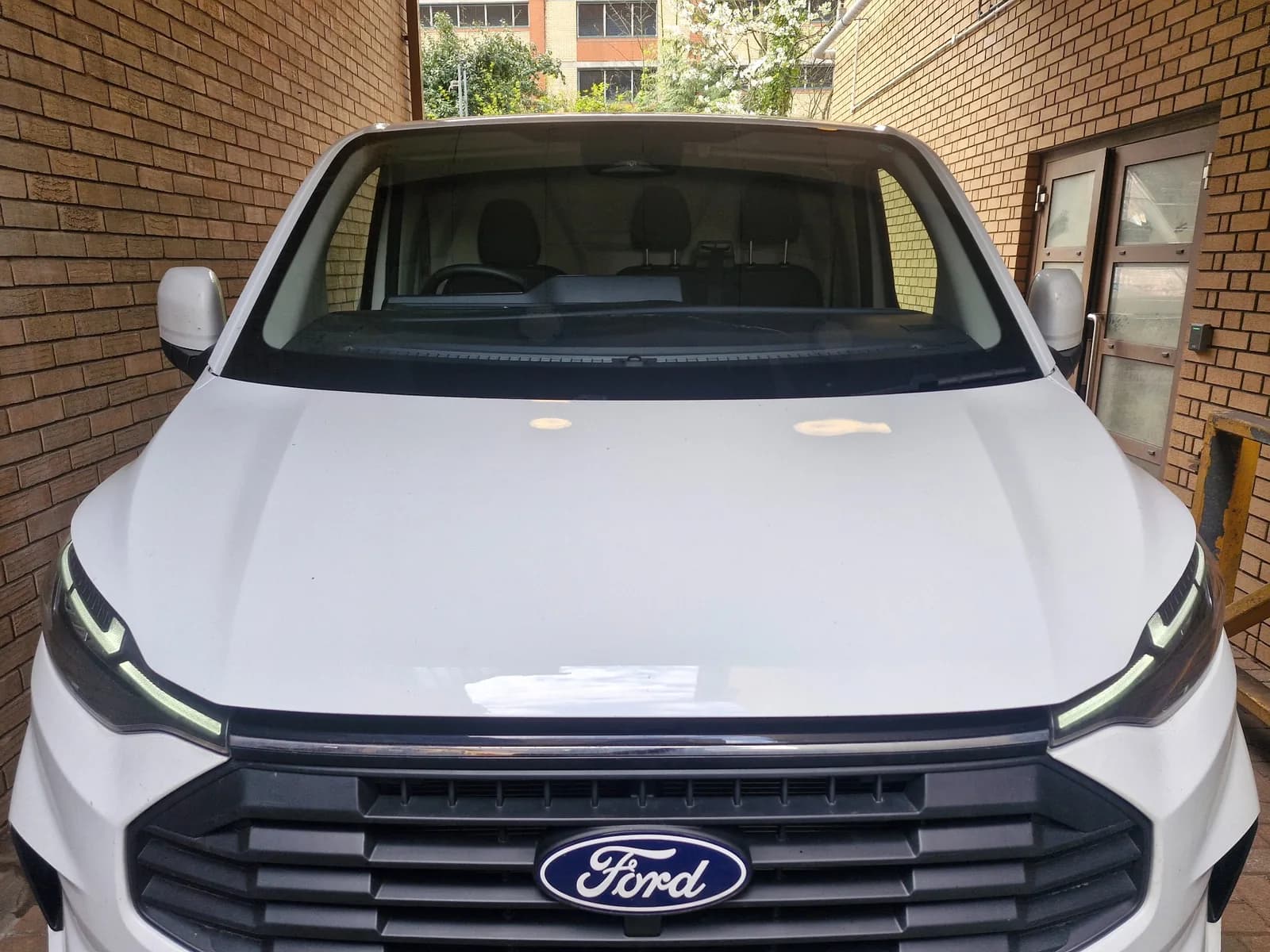
Their glass often incorporates larger bonded panels, heated elements, privacy glazing, sliding windows, rear cameras and specialist commercial body configurations. Horizon replaces van and commercial vehicle glass across Cardiff and South Wales with correct installation that helps minimise downtime — while ensuring every system continues working exactly as intended.
Why It’s Different
The fundamentals are the same as on any windscreen, door glass or quarter panel — but a working vehicle places demands on its glazing that a passenger car never does. And when a windscreen chip is caught early, stone chip repair can keep a working vehicle on the road without replacement at all.
Van side and rear glazing uses some of the largest bonded panels on any vehicle. Bigger panels mean longer adhesive runs, more aperture to prepare and less tolerance for shortcuts — a small void in a long bead is still a leak.
Commercial vehicles cover more miles, on more varied roads, than most cars. Their glazing lives with constant vibration, stone strikes and body flex — so the bond holding it in place has to be right, not merely adequate.
Every hour a working vehicle is off the road costs its operator money. Commercial glazing has to be planned, sourced and installed with that in mind — done properly, once, at a time that suits the work the vehicle does.
Across a fleet, inconsistent glazing work multiplies into unpredictable failures. Fleet operators need the same standard, the same materials and the same documentation on every vehicle — so the fleet behaves predictably.
Working vehicles can't always come to a workshop. Where installation happens on-site, the same standards must travel with it: the same preparation, the same approved adhesives and the same curing discipline, wherever the vehicle is parked.
Vans carry loads, tools and crews. Bonded glazing contributes to the integrity of the body around cargo areas, and glass in bulkhead and loading positions has a safety role a passenger car never asks of it.
Sliding windows, opening camper windows, encapsulated conversion glass, solid panel-to-window conversions — commercial vehicles use glazing types most passenger cars never carry, each with its own correct installation method.
Commercial bodies vary by wheelbase, roof height and conversion — and the glazing varies with them. Confirming the exact specification for the body in question is the first step of every job, exactly as it is on a windscreen.
Why It Matters
A correct installation is one the vehicle never returns for. Proper preparation, bonding and testing keep the vehicle earning instead of queuing for rework.
Vans carry tools, stock and paperwork that water ruins quickly. A continuous, correctly profiled adhesive bead — leak tested before handover — keeps the load area dry.
Commercial drivers spend their working day behind the glass. Correct optical quality and clean, distortion-free installation protect visibility through long shifts in all weather.
Vans are targeted for their contents. Glazing fitted to the correct specification — and bonded properly into the body — restores the security the vehicle was designed with.
Glass in and around sliding doors must clear runners, seals and locks through the door's full travel. Correct alignment keeps the door operating smoothly instead of grinding against poor work.
A liveried vehicle is a moving advertisement. Flush, evenly set glazing with intact trims presents the business properly; misaligned panels and scarred bodywork do the opposite.
Large bonded panels stiffen the body apertures they occupy. Correct bonding returns that structural contribution — which matters more, not less, on a vehicle that works under load.
Commercial glazing has to survive years of vibration, load cycles and weather. Approved materials on properly prepared surfaces are what make an installation last the life of the vehicle.
When It’s Needed
Glass in and around the side loading door takes the hardest use on a van. When it breaks, the aperture and door operation are checked as well as the glass itself.
Barn door and tailgate glass often carries heating elements, wiper mounts and camera provision. The replacement must carry the same — and every connection is remade and tested.
Failed break-ins leave cracked glass, damaged seals and distorted frames. We assess the full extent of the damage, not just the visible pane.
After a break-in, the priority is securing the vehicle and getting it back to work. We replace the glass to specification and identify any seal, trim or lock damage alongside it.
Water in a load area ruins stock and corrodes the floor unseen. Where a glazing seal is the entry point, the panel is removed, the aperture prepared and the glass rebonded properly.
Wrong glass, missing primer, uneven beads — poor previous work shows up as leaks, noise and loose panels. Correcting it means starting again from a clean, sound aperture.
Fleet incidents need glass replaced consistently, documented properly and turned around quickly. We work to the same standard on every vehicle and keep records that fleet managers can file.
Camper and crew conversions often replace solid panels with bonded or opening windows. Cutting and glazing a panel aperture correctly is specialist work — done right, it looks factory.
A bonded panel whose adhesive has failed may move, whistle or leak long before it falls out. Rebonding on a properly prepared aperture is the only lasting repair.
Laminated and encapsulated glazing can cloud, bubble or separate at the edges with age. Once the construction has failed, the panel needs replacing to specification.
Our Process
Glass Specification
Factory privacy tint is manufactured within the glass. Crew vans, campers and conversions should be reglazed at the original tint level so the vehicle stays consistent and legal.
Heated rear screens and heated panels must be replaced with glass carrying the same element provision — the heating is part of the glass, and the circuit is proven before handover.
Sliding units for crew vans and campers combine glass, frame, runners and catches. The whole unit must be square in the aperture for the slider to run and latch properly.
Hinged and top-opening camper windows seal against a frame that must be bonded flat and true. Correct installation is what keeps them watertight through years of opening and closing.
Encapsulated glazing is manufactured with its moulded surround and locators as one part, designed for a specific aperture. The correct part seats and seals as the body was designed to accept.
Large bonded van panels rely entirely on their adhesive bond for retention, sealing and structure. Panel size makes surface preparation and bead quality more critical, not less.
Wheelbase, roof height and body configuration all change the glazing. We confirm the exact specification for the body in question before work begins — never a near-enough equivalent.
Crew vans and campers increasingly use acoustic glazing to keep cabins civilised over long distances. Where the vehicle was specified with it, the replacement should match.
Radio, DAB and GPS antennas are commonly printed into commercial rear and side glass. The correct part preserves reception, and connections are remade and confirmed working.
Vehicle Systems
Where camera-based systems are involved, see our ADAS calibration service — and for heated rear screens specifically, our rear window replacement page explains the detail.
Rear cameras, parking sensors and — increasingly — camera-based driver assistance systems live in and around commercial glazing. Rear screens carry camera mounts and wiring; windscreens on modern vans carry the same ADAS cameras as passenger cars. Where glass work affects any of these systems, they are assessed and, where required, calibrated — the same discipline that sits behind our ADAS calibration service.
Heated rear screens, tailgate and barn-door wiring looms, central locking and antenna feeds all connect through or beside the glass. Each connector must be released carefully during removal and remade properly on installation — a strained loom or corroded terminal causes intermittent faults that are far harder to trace later than to prevent now.
Sliding door glazing has to clear runners, seals and locks through the door's full travel, and interior trims — often carrying speakers, lighting or conversion fittings — must come off and go back on without damage. Camper and crew conversions add their own layer: bonded conversion windows, insulated linings and furniture built hard against the glazing.
It is why every system touched during the job — cameras, heating, locking, sliding doors and antennas — is tested before the vehicle leaves. On a working vehicle, a fault discovered on the road is downtime; a fault caught in the final inspection is nothing.
Common Issues
Voids in a long adhesive bead let water into load areas, where it ruins stock and corrodes floors unseen. A continuous bead and a leak test prevent it.
Large panels sitting proud or sunken in the airflow whistle at motorway speed — for hours of a commercial driver's working day. Correct bead height keeps panels flush and quiet.
Heater, camera and antenna connections left strained or loose cause intermittent faults that put the vehicle back off the road. Every circuit is remade properly and tested.
The wrong adhesive, skipped primer or contaminated surfaces produce a bond that fails over time — on the largest, hardest-working panels on the vehicle. Approved materials, properly applied, are non-negotiable.
Metal scratched during removal and left untreated rusts beneath the new bead, breaking the seal from underneath. Exposed metal is treated before any adhesive goes near it.
Commercial trims and single-use clips snapped during rushed removal leave panels loose and rattling. Clips are replaced where the manufacturer specifies.
A partially bonded panel can move, creak and eventually let go on a vehicle that flexes under load daily. Full-perimeter adhesion on prepared surfaces is what keeps panels solid.
Every defect above ends the same way: the vehicle comes back. The cost of poor installation is measured in lost working days, not in glass.
Misaligned glazing, smeared sealant and scarred paint on a liveried vehicle undermine the business it advertises. Careful work leaves the vehicle looking factory.
Poor glazing work adds an unpredictable failure point to a vehicle whose job is predictability. Correct installation removes it again.
Vehicles We Support
Bodyshops, fleets, insurers and regular commercial customers can work with us directly through Horizon Trade — and our Knowledge Centre covers the technical detail behind the work.
Windscreens, cab glass and bonded side and rear panels for panel vans of every size — replaced to specification with downtime kept to a minimum.
Second-row glazing, privacy glass and sliding windows for crew and combi vans, matched to the factory specification of the conversion.
Cab glazing for Luton and box-bodied vehicles, where the windscreen and door glass do all the work — replaced with the vehicle's working schedule in mind.
Bonded, sliding and opening conversion windows for camper conversions, installed watertight and true — whether replacing existing glass or glazing a converted panel.
Motorhome glazing varies widely in construction and availability. We identify the correct panel, source it to specification and bond it to the same standard as any vehicle.
Windscreens, sliding rear cab glass and canopy glazing for pick-ups — including heated and camera-equipped rear screens on modern double-cabs.
Consistent standards, predictable turnaround and proper documentation across every vehicle on the fleet — with one point of contact for the fleet manager.
Welfare units, utility vehicles, local-authority and emergency-support vehicles with non-standard glazing. We confirm the correct specification and install to the same standard.
Horizon Insight
Quick Guide
For a working vehicle, the price of the glass is rarely the real cost of a glazing failure. The real cost is the days a van spends off the road: the jobs rearranged, the deliveries missed, the hire vehicle drafted in to cover. That is why the standard of the installation matters more in commercial glazing than anywhere else — because the cheapest job is the one that only has to be done once.
Reliable installation is built from unglamorous fundamentals. The aperture prepared properly, with old adhesive trimmed to a sound base and any exposed metal treated before it can corrode. The correct specification confirmed before work begins — bonded, encapsulated, sliding or opening, heated or plain, with the right provision for cameras, sensors and antennas. Manufacturer-approved primer and adhesive, applied to clean surfaces, with the curing time respected rather than rushed.
Every one of those steps exists to prevent a repeat visit. A leak, a whistle, a reception fault or a failed bond discovered weeks later doesn't just mean more work — it means a second period of downtime the business has to absorb. Installing commercial glass properly, first time, is how a glazing company protects its customers' productivity rather than interrupting it.
Your Questions
Yes. Bonded side and rear van glazing is a core part of our commercial work. The aperture is prepared to manufacturer standards, approved primer and adhesive are used throughout, and every bonded installation is leak tested before the vehicle is returned.
Yes. We fit bonded, sliding and opening conversion windows for camper and crew conversions — both replacing existing glazing and glazing newly converted panel apertures. The result should be watertight, square in the aperture and indistinguishable from factory work.
Yes. Sliding and top-opening units combine glass, frame, runners and catches, and the whole unit must be installed square and sealed against its frame for the opening mechanism to work and stay watertight. We replace complete units and confirm operation before handover.
In many cases, yes. Where a vehicle can't easily come to us, installation can be carried out at your premises — with the same preparation standards, approved materials and curing discipline as workshop work. Tell us the vehicle and location when you enquire and we'll confirm what's possible.
Yes. We support fleets across South Wales with consistent standards on every vehicle, predictable turnaround and documentation for fleet records. For regular fleet work, our Trade service provides a single point of contact and agreed ways of working.
Often, yes. Commercial and fleet policies commonly include glass cover, though excesses and terms vary more than on private policies. We document the work to the standard insurers require and recommend confirming your cover before booking.
Most commercial glass replacements are completed the same day, and many within a few hours — plus the adhesive curing time before the vehicle can safely be driven, which depends on the adhesive used and is confirmed with you at booking. Where glass must be sourced to specification, we schedule the work so the vehicle only stands once.
Yes. Heated rear screens and barn-door glass are replaced with glass carrying the same element provision, the connections are remade, and the circuit is tested before the vehicle is returned. Our rear window replacement page covers the detail of how heated screens are handled.
Keep Exploring
OE-specification glass selected for the vehicle, fitted using the correct adhesive system and curing procedure.
ExploreFront and rear side door glass replacement, fitted to OE specification with correct regulator alignment and seal.
ExploreSupply and fitment of heated windscreen glass, including element connection testing and correct circuit verification.
Explore★★★★★
5.0
Customer Rating
154 Google reviews
20+
Years Experience
IMI
Director Accredited
ADAS
Specialists
Lifetime
Workmanship Guarantee
Glass installation · current owner
Horizon replaces van and commercial vehicle glass to the correct specification, with bonding surfaces prepared to manufacturer standards and every connected system tested before handover — professional installation that reduces downtime now and repeat visits later, for a single van or a whole fleet.